The self-drive tourism market sits in a really interesting position.
On one side you have caravan, RV and camping brands building the vehicles that make travel possible. On the other side you have tourism organisations working hard to attract visitors to their regions.
Both want the same thing.
More people exploring. More people travelling. More people staying longer in regional areas.
Yet surprisingly, these two worlds do not collaborate nearly as much as they should.
For an industry built on travel, that feels like a missed opportunity.
Over the past decade working in the caravan and self-drive tourism space, I have seen first-hand how powerful these partnerships can be when they are done properly. When caravan brands and tourism bodies work together, everyone benefits. The brand gains exposure in real destinations. The region gains visitors. And travellers discover places they might never have considered.
Self-drive travellers are the visitors regions actually want
Tourism bodies spend a lot of time thinking about the type of visitors they want to attract.
Self-drive travellers tick a lot of boxes.
They tend to stay longer. They travel through multiple towns. They support small regional businesses. They visit national parks and lesser known locations. They spend money in fuel stations, bakeries, pubs, caravan parks and local attractions.
Unlike short-stay visitors who might fly in and out of a major city, self-drive travellers spread their spending across entire regions.
In many ways, they are the ideal tourism visitor.
Yet in a lot of cases the marketing of destinations and the marketing of caravans or motorhomes happens separately, when in reality they should be part of the same story.
The product and the destination are connected
A caravan sitting in a dealership is just a product.
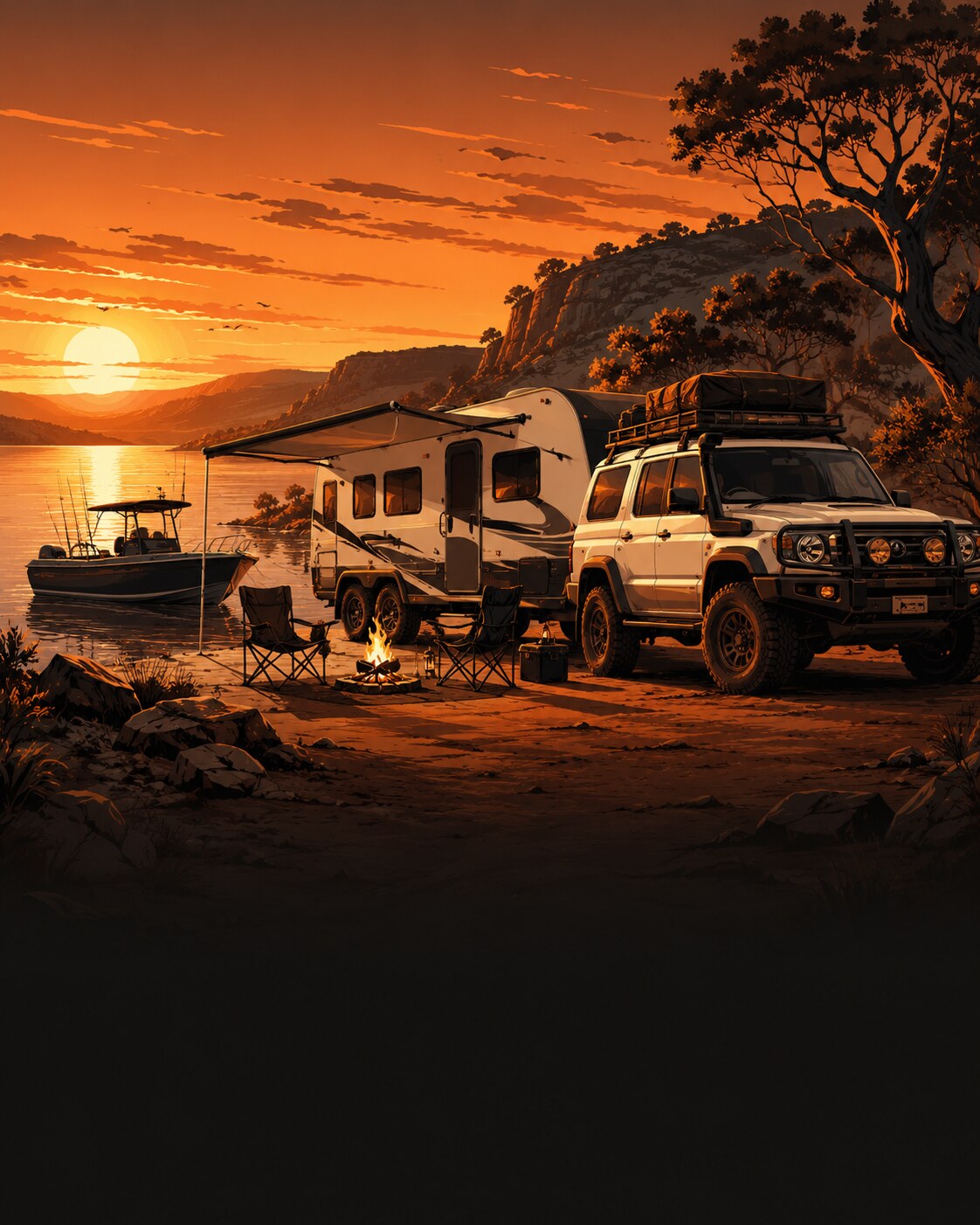
A caravan parked beside a river in the Kimberley, on the edge of a national park in Tasmania, or overlooking a valley somewhere in regional Queensland becomes something else entirely.
It becomes a lifestyle.
This is where the connection between tourism and caravan brands becomes obvious.
People don't buy caravans simply because of floorplans or specifications. They buy them because of the places they imagine travelling to.
The destinations help sell the dream.
And the caravan makes that dream possible.
When those two things are marketed together, the story becomes far more powerful.
Real travel stories outperform staged advertising
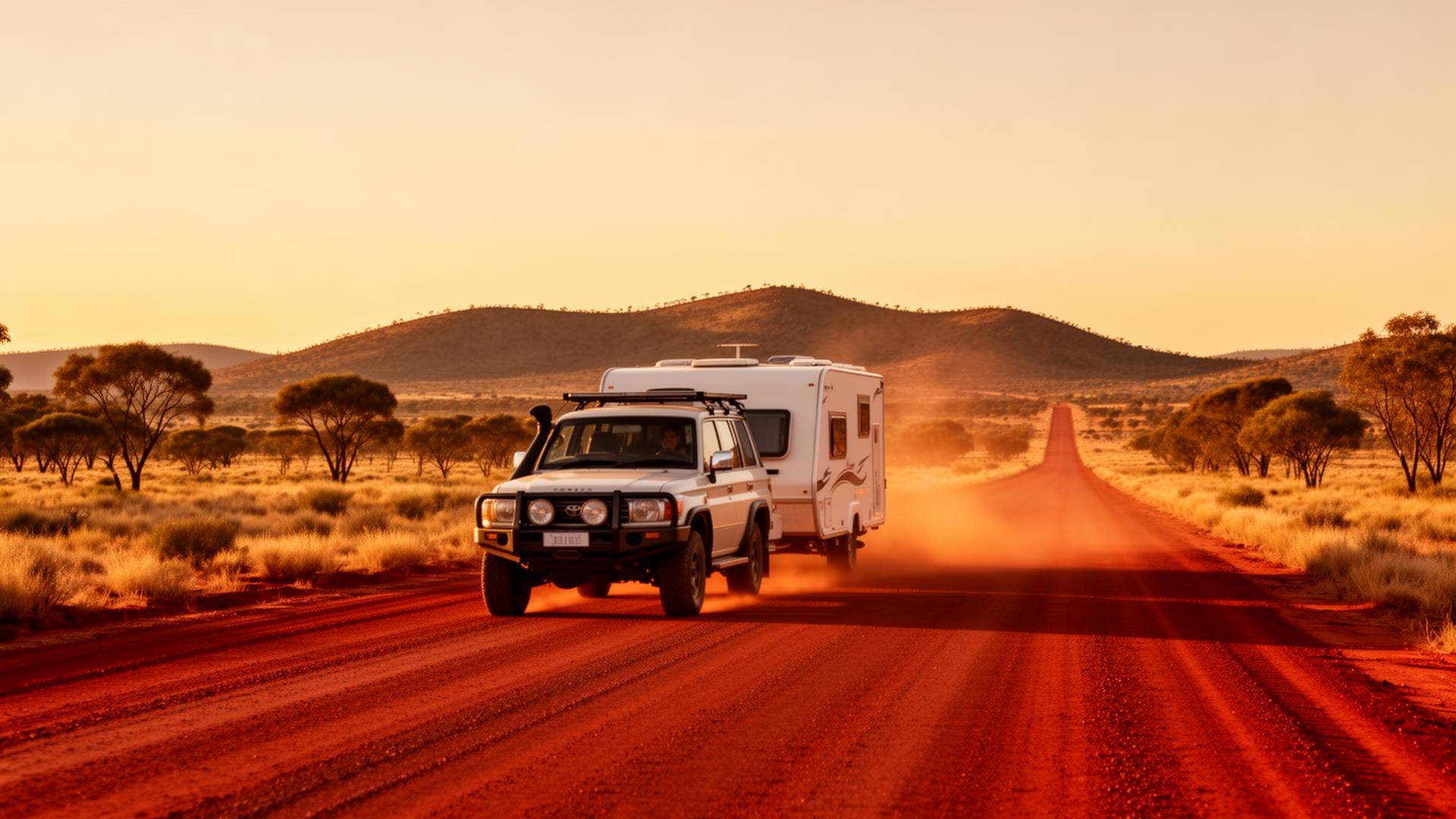
The most effective marketing in the self-drive tourism space today is real journeys.
A family travelling around Australia. A couple exploring regional food trails. A group of friends heading off on a fishing trip. A content creator taking a hybrid van down a remote track.
These kinds of stories naturally combine both the vehicle and the destination.
This is why collaborations between tourism bodies, caravan brands and travel creators have so much potential.
Instead of a destination promoting itself in isolation, or a brand promoting a product on its own, the two can work together to tell a far more compelling story.
Show the journey. Show the region. Show how people actually travel.
That is the kind of content people pay attention to.
Regional destinations benefit from stronger industry partnerships
Regional Australia depends heavily on tourism. Many small towns rely on visitors to support local businesses and keep their communities thriving.
Self-drive tourism plays a huge role in that ecosystem.
When caravan travellers move through a region they are not just staying in caravan parks. They are eating at cafes, visiting wineries, buying supplies, booking tours and supporting local operators.
Tourism bodies understand this.
Caravan brands understand the value of showcasing destinations.
But when the two collaborate properly, the impact becomes much greater.
Instead of isolated marketing campaigns, you get something more meaningful. A coordinated effort to bring travellers into a region and show them what makes that place special.
There is still a lot of untapped potential
Some great collaborations are already happening around Australia.
You see caravan brands working with tourism boards to produce travel content. You see creators partnering with destinations to document road trips. You see regional campaigns encouraging people to explore by road.
But overall, there is still a lot of room for growth.
Imagine more coordinated campaigns where:
A caravan brand launches a new model through a real road trip across multiple regions.
Tourism bodies invite travel creators and brands to explore and document lesser known areas.
Caravan owners are encouraged to share their journeys and experiences with specific destinations.
The possibilities are endless when you start thinking about travel as a shared story rather than separate marketing efforts.
The road ahead
Self-drive tourism continues to grow because people love the freedom that comes with travelling on their own terms.
The open road still holds a special kind of appeal.
For caravan brands, that freedom is the product.
For tourism organisations, it is the opportunity.
When those two worlds work together, the result is stronger storytelling, stronger regions and a stronger industry overall.
The road network already connects the country.
Perhaps it is time the marketing did the same.