The self-drive tourism industry is full of passionate people.
People who love the road. People who love the lifestyle. People who genuinely believe in the products they build and sell.
Caravans, motorhomes, camper trailers and off-road rigs open up a way of travelling that very few other industries can offer. The freedom that comes with self-drive travel is something people talk about for years after they experience it.
Yet despite the strength of the lifestyle and the products behind it, there is a problem sitting quietly inside the industry.
A marketing problem.
Not because people are not trying to market their businesses. Most brands and dealerships are putting effort into advertising, social media, and events.
The problem is that much of the marketing approach still belongs to a different era.
The industry still relies heavily on old tactics
For decades the formula for marketing in the caravan and RV industry was fairly straightforward.
Attend the major trade shows. Advertise in industry magazines. List products on classified websites. Run a few sales promotions.
And for a long time, that worked.
People would attend shows, walk through the display vans, talk to salespeople and eventually make a decision.
The problem is that the buying journey has changed.
The modern customer does not start their research at a trade show. They start it on their phone, often months before they ever visit a dealership.
They are watching travel videos. They are reading online forums. They are following travelling families and content creators. They are comparing brands and layouts long before anyone from the industry knows they exist.
In many cases they already have a strong opinion about which brands they trust before they ever step onto a dealership yard.
The industry talks about products when customers care about lifestyle
Another challenge in the industry is the way products are presented.
Look at most caravan marketing and you will see the same pattern.
Floorplans. Specifications. Battery systems. Tank capacities.
All important information, of course. But none of it is what makes someone fall in love with the idea of owning a caravan in the first place.
People don't start dreaming about caravans because of lithium battery capacity.
They start dreaming because they imagine themselves somewhere else.
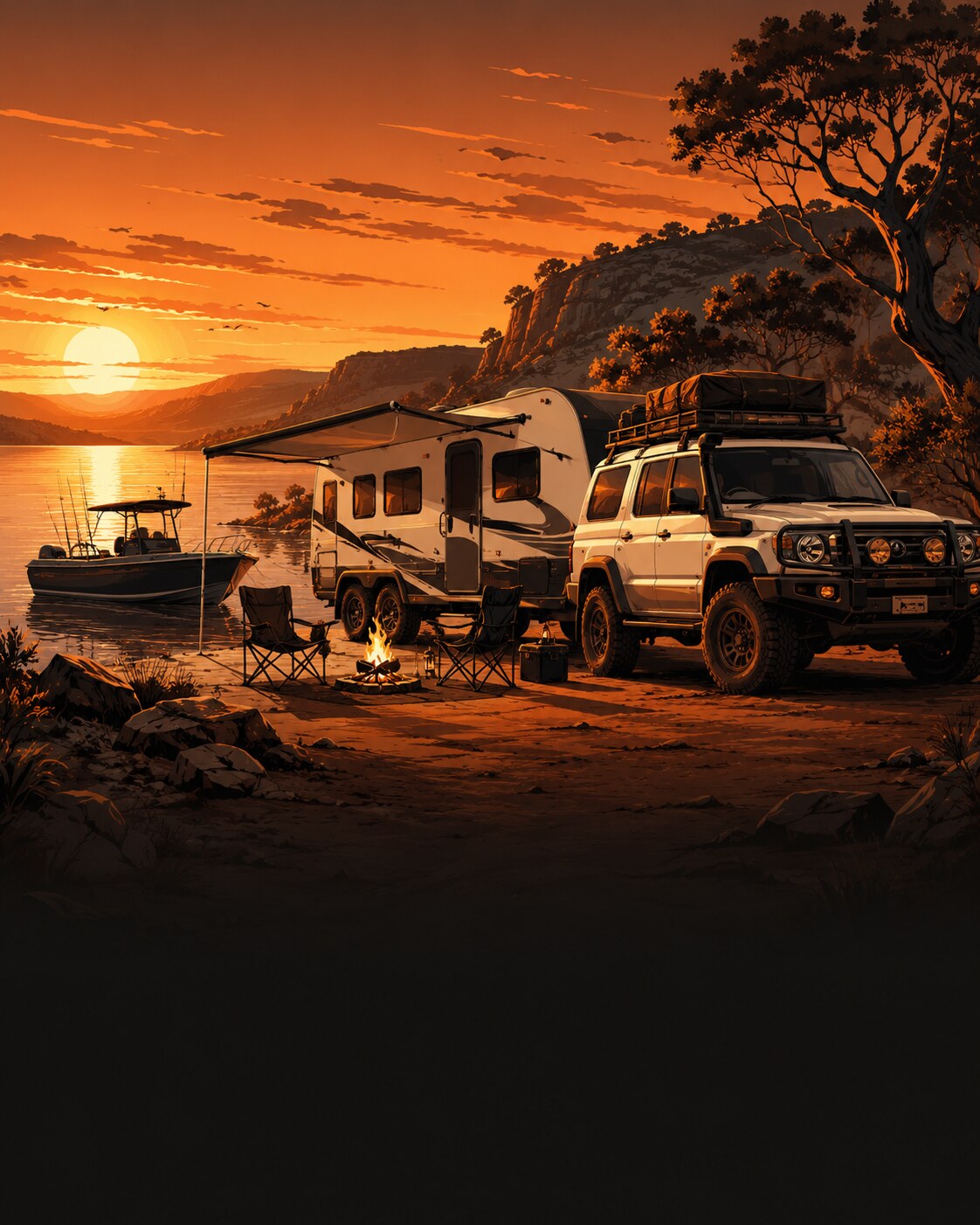
A quiet campsite beside a river. A road trip across the country. Watching the sunset outside their van after a long day of driving.
The product enables that experience, but the experience is what captures people's imagination.
The brands that understand this focus less on selling features and more on showing the lifestyle that those features make possible.
Content is driving decisions more than advertising
One of the biggest shifts in marketing over the past decade has been the rise of content.
People want to see how products are used in the real world.
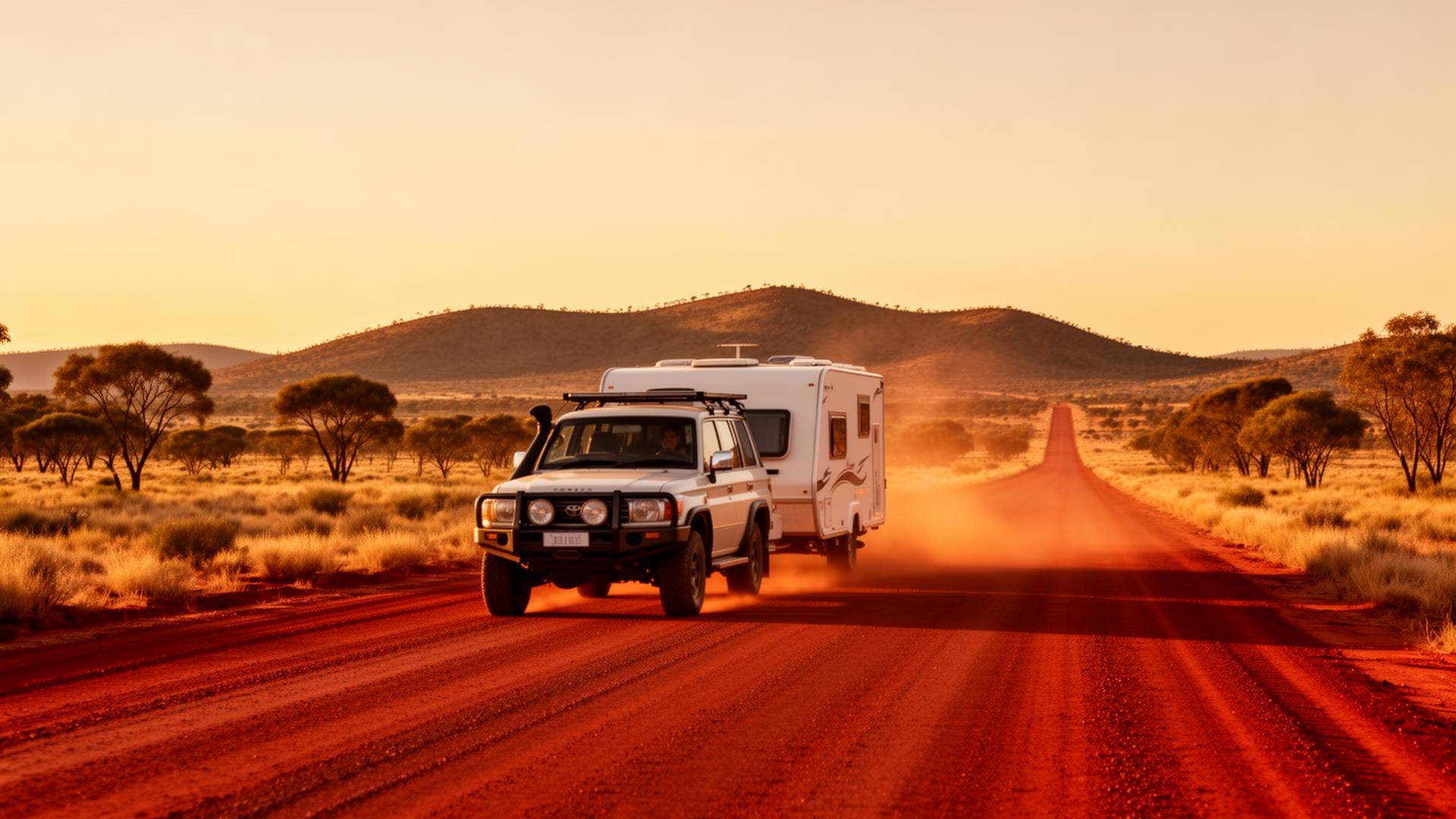
They want to watch someone tow a caravan across Australia. They want to see what living on the road actually looks like. They want honest feedback from owners and travellers.
This is why YouTube channels, travel creators and social media communities have become such powerful influences in the self-drive tourism space.
People trust real experiences.
Meanwhile, much of the industry is still producing traditional promotional content that feels more like advertising than storytelling.
There is nothing wrong with advertising, but if it is the only approach, it leaves a huge gap.
Community has more influence than many brands realise
Spend a bit of time inside caravan Facebook groups or owner forums and you will quickly see how much influence community conversations have.
People ask questions about brands. Owners share their experiences. Recommendations are passed around.
Those discussions often shape buying decisions more than any advertisement ever could.
Yet many businesses in the industry still underestimate the power of community.
Owner groups, ambassador programs, travel events and shared experiences are not just nice extras. They are one of the most powerful forms of marketing available.
Happy owners become advocates. And advocates are super persuasive.
The opportunity in front of the industry
Despite these challenges, the future for the self-drive tourism industry is incredibly strong.
More Australians are discovering road travel. More people want flexibility in how they explore the country. The appeal of the open road is not going away any time soon.
But as the industry grows, competition will grow with it.
The brands that succeed will be the ones that understand how people actually discover and choose products today.
They will inspire people long before they start shopping. They will educate buyers while they research. They will build communities that continue long after the purchase.
In short, they will stop thinking about marketing as something that happens at the point of sale.
And start thinking about it as part of the entire journey.
Because the road to buying a caravan or motorhome begins long before the dealership gate.
And the brands that show up early are the ones travellers remember when it is finally time to choose.